Gallbladder Problem Symptoms: When You Need Surgery
people live for years with progressive symptoms before seeking treatment, often because they don’t recognize what their body is telling them.
Gallbladder disease affects approximately 10-15% of adults in North America. Yet many
people live for years with progressive symptoms before seeking treatment, often because they don’t recognize what their body is telling them. This guide will help you identify common gallbladder symptoms, understand when surgery is the right choice, and explore your options — including affordable, high-quality care in Guadalajara, Mexico.
What does the gallbladder do?
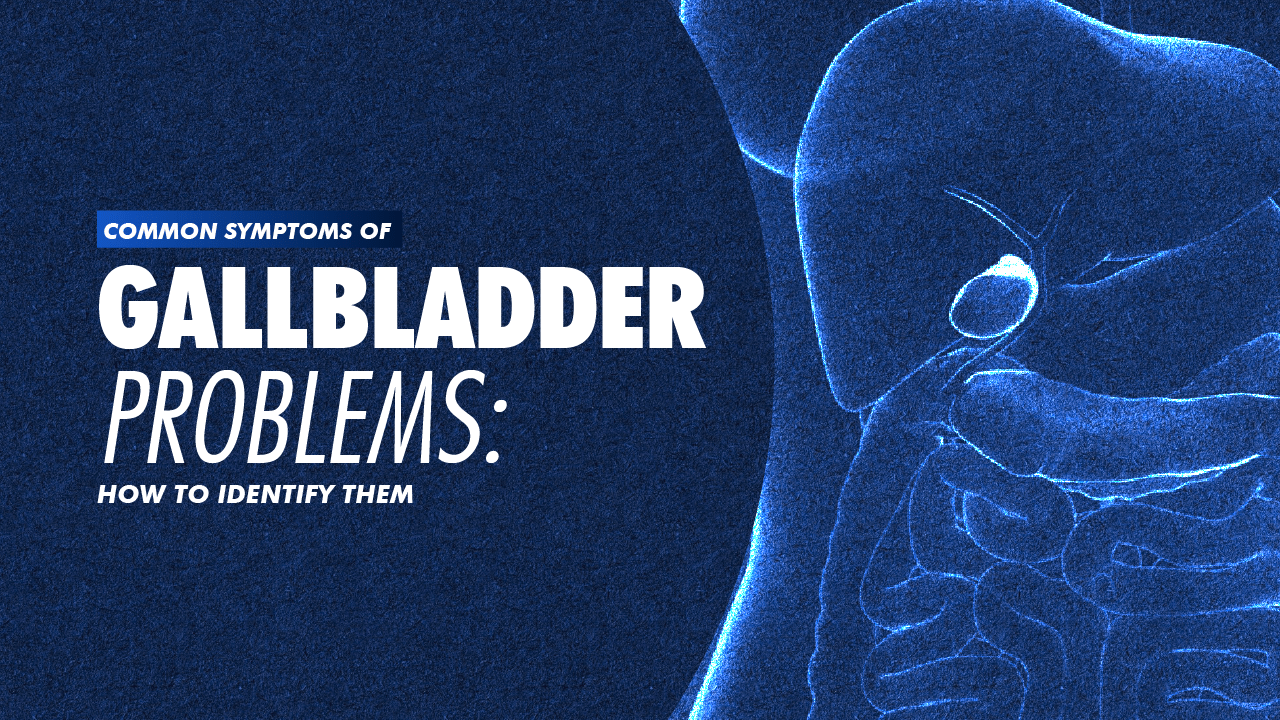
The gallbladder is a small pear-shaped organ that stores bile produced by the liver. Bile helps digest fats. When stones form (gallstones) or inflammation develops, the gallbladder stops working properly — and symptoms begin.
Common gallbladder symptoms
Classic symptoms (biliary colic)
- Sharp pain in the upper right abdomen, often radiating to the right shoulder or back.
- Pain after fatty meals (within 30 minutes to 2 hours).
- Nausea or vomiting associated with pain episodes.
- Episodes lasting 30 minutes to several hours.
- Bloating or fullness after eating.
Less specific symptoms (often overlooked)
- Chronic indigestion.
- Heartburn or acid reflux.
- Burping and gas after meals.
- Feeling full quickly during meals.
- Mild discomfort in upper abdomen.
- Intolerance to fried, fatty, or rich foods.
Warning signs — seek immediate care
- Fever and chills with abdominal pain.
- Jaundice (yellow skin or eyes).
- Persistent vomiting.
- Dark urine or pale stools.
- Severe pain lasting more than 5 hours.
- Tachycardia (rapid heartbeat) with pain.
These may indicate acute cholecystitis, biliary obstruction, or cholangitis — medical
emergencies requiring urgent surgical care.
Types of gallbladder disease
Cholelithiasis (gallstones)
The most common condition. Stones form in the gallbladder from cholesterol or bile salts. Many people have stones without symptoms (“silent stones”) and don’t require surgery.
Symptomatic cholelithiasis
Once gallstones cause symptoms, the risk of complications increases — and surgery is
typically recommended.
Acute cholecystitis
Inflammation of the gallbladder, often caused by a stone blocking the duct. Requires prompt surgical treatment.
Chronic cholecystitis
Long-standing inflammation causing thickening of the gallbladder wall. Usually treated with elective laparoscopic surgery.
Biliary dyskinesia
Gallbladder doesn’t empty properly despite no stones. Diagnosed with HIDA scan; treated surgically when symptoms are significant.
Gallbladder polyps
Most are benign, but polyps over 1 cm or those that grow over time may require removal.
Who is at risk?
The classic “5 F’s” mnemonic still holds value: - Female (especially during reproductive years). - Forty or older. - Fertile (multiple pregnancies). - Fat (BMI over 30). - Fair (Caucasian or Native American descent). Additional risk factors: rapid weight loss, diabetes, certain medications (estrogen therapy), family history, and Crohn’s disease.
Diagnosis
Diagnosis typically involves:
- Clinical history and physical examination.
- Abdominal ultrasound — first-line test, identifies stones in 95% of cases.
- Blood tests — liver enzymes, white blood cell count.
- HIDA scan — assesses gallbladder function.
- MRCP (specialized MRI) — when bile duct issues are suspected.
Treatment options
Conservative (non-surgical)
For asymptomatic stones or mild cases: - Low-fat diet. - Weight management. - Bile acid medications (rarely effective long-term).
Surgical: laparoscopic cholecystectomy
The gold standard for symptomatic gallbladder disease. The procedure: - Uses 3-4 small incisions. - Takes 45-90 minutes under general anesthesia. - Outpatient or 1-night hospital stay. - Allows return to work in 5-10 days. This procedure removes the entire gallbladder. Don’t worry — you can live a normal life without it (bile simply flows directly from liver to intestine).
Why people travel to Guadalajara for gallbladder surgery
Medical tourism for gallbladder surgery has grown significantly. Reasons include:
Factor U.S. Guadalajara, Mexico Average all-inclusive $15,000 - $35,000 $4,500 - $7,500 USD cost Wait time Weeks to months Days to 2 weeks Hospital stay Often outpatient 1 night included (rushed) Recovery Home Hotel + post-op care accommodations Insurance hassles Significant None (cash-pay clarity)
What makes Guadalajara a top destination
- Multiple JCI-accredited or top-tier private hospitals.
- U.S./Europe-trained surgeons.
- Strong dollar advantage for international patients.
- Excellent flight connectivity from major U.S. and Canadian cities.
- Established medical tourism infrastructure with English-speaking staff.
When you should consider surgery
Most surgeons recommend cholecystectomy when:
- You’ve had 2 or more attacks of biliary colic.
- Your gallbladder is not functioning on HIDA scan.
- You have complications (pancreatitis, infection, jaundice).
- Polyps are larger than 1 cm or growing.
- You have diabetes and recurrent gallbladder issues.
- You’re planning travel and don’t want an emergency abroad.
Life after gallbladder removal
The vast majority of patients live completely normally without their gallbladder. Some experience: - Slight loose stools for a few weeks (usually resolves). - Mild fat intolerance initially. - Need to eat smaller, more frequent meals at first. Most patients are completely back to normal eating within 4-6 weeks.
Mexican hospitals provide complete medical records in English upon request, including
operative report, pathology, imaging, and discharge summary.
Final thoughts
Gallbladder disease is one of the most common surgical problems worldwide — and one of the most successfully treated. If you’re suffering from symptoms, you don’t have to live with them. Whether you choose care locally or as a medical tourist in Mexico, the goal is the same: relief and a return to normal life.
Considering laparoscopic gallbladder surgery in Guadalajara? Dr. Gerardo Rodríguez
Navarro offers expert laparoscopic cholecystectomy with bilingual care, accredited hospital partnerships, and transparent all-inclusive pricing for international patients.
Frequently asked questions
Can I avoid gallbladder surgery?
If symptoms are mild and infrequent, dietary changes may help. However, once gallstones cause symptoms, complication risk rises and surgery is usually recommended.
Is laparoscopic gallbladder surgery safe?
Yes — it’s one of the most performed surgeries worldwide with a complication rate under 2% in experienced hands.
How long is recovery?
Most patients return to office work in 5-7 days and full activity in 2-3 weeks.
Can I travel home soon after surgery?
Yes. Most surgeons clear patients for air travel 5-7 days after laparoscopic cholecystectomy with simple precautions (compression stockings, hydration).
What’s included in a Guadalajara surgical package?
Typically: pre-op consultation, labs, imaging, surgery, anesthesia, hospital stay (1 night), pathology, and post-op follow-up. Always request a written itemized quote.
What if I have an emergency during recovery?
Reputable Guadalajara providers offer 24/7 contact and post-discharge support. Clarify the complication policy upfront.
Related articles
Early Symptoms of Acute Appendicitis: When to Seek Emergency Care
Acute appendicitis is one of the most common surgical emergencies worldwide, affecting roughly 1 in 20 people during their lifetime.
Read ApendicitisLaparoscopic Appendectomy Recovery: Day-by-Day Timeline
Modern laparoscopic appendectomy has transformed what was once a major operation into a procedure with remarkably fast recovery.
Read ApendicitisHow Much Does Appendix Surgery Cost in Guadalajara, Mexico? (2026
If you’re researching appendix surgery costs — whether because you’re uninsured, underinsured, or simply comparing options — you’ve likely noticed massive price differences between countries.
Read