Life After Gallbladder Removal: Diet, Recovery, and What to Expect
“Will I be able to eat normally?” “Will I need to take medication forever?” “How long until I feel like myself again?” These are the most common concerns I hear from patients considering or recovering from gallbladder removal (cholecystectomy). The honest answer: the vast majority of people return to a completely normal life within weeks, with only minor dietary adjustments. Here’s everything you need to know about life without your gallbladder.
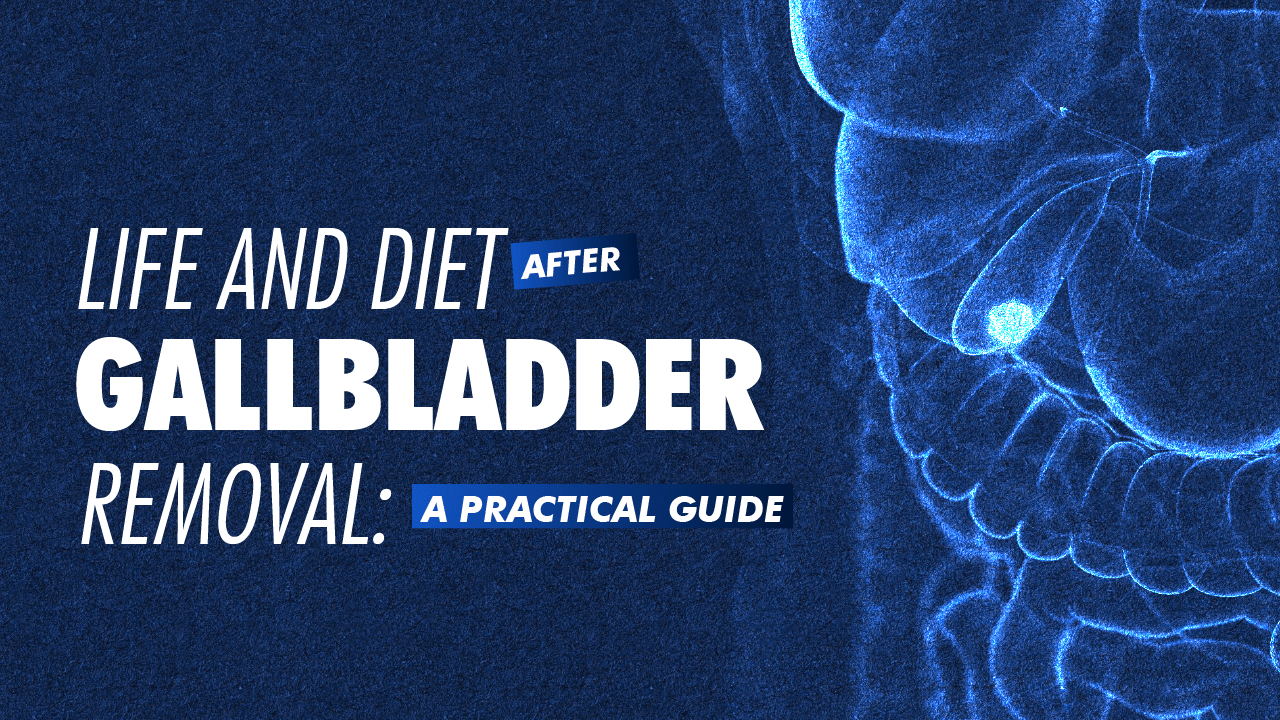
“Will I be able to eat normally?” “Will I need to take medication forever?” “How long until I feel like myself again?” These are the most common concerns I hear from patients considering or recovering from gallbladder removal (cholecystectomy). The honest answer: the vast majority of people return to a completely normal life within weeks, with only minor dietary adjustments. Here’s everything you need to know about life without your gallbladder.
Why you can live without a gallbladder
The gallbladder stores bile — it doesn’t make it. Your liver continuously produces bile (about 1 liter daily). Without a gallbladder, this bile simply flows directly from liver to small intestine, ready for fat digestion. You’ll digest food normally. The body adapts within weeks.
Immediate recovery timeline
Week 1: Hospital and home
- 1-2 nights in hospital (depending on surgery type).
- Mild abdominal soreness.
- Liquid and soft food diet.
- Light walking encouraged.
- Showering after 48 hours.
Week 2: Returning to routine
- Most pain resolves.
- Diet expanded to most regular foods (some restrictions).
- Return to desk work.
- Light exercise (walking, stretching).
Weeks 3-4: Full recovery
- Resume all normal activities.
- Cleared for travel and exercise.
- Return to heavy work.
Weeks 4-6: Digestive adaptation
- Body fully adapts to digestion without gallbladder.
- Most dietary sensitivities resolve.
Diet by stage
Days 1-3: Soft, low-fat diet
Recommended foods: - Clear broths and soups. - Plain crackers and toast. - Plain rice and pasta. - Boiled potatoes. - Bananas, applesauce. - Plain yogurt. - Boiled or poached chicken. Avoid: - Fried foods. - Heavy creams and full-fat dairy. - Spicy foods. - Greasy meats. - Alcohol. - Carbonated drinks.
Week 2: Gradual expansion
Slowly introduce: - Lean proteins (fish, chicken, turkey). - Low-fat dairy. - Cooked vegetables. - Whole grains. - Eggs (start with whites).
Weeks 3-4: Approaching normal
Most patients can return to a near-normal diet with only minor adjustments.
Long-term dietary recommendations
Foods that are generally well-tolerated
- Lean proteins (fish, chicken, lean beef).
- Whole grains.
- Most fruits and vegetables.
- Low-fat dairy.
- Legumes.
- Healthy fats in moderation (olive oil, avocado).
Foods that may cause issues
- Very fatty foods (deep-fried items, fatty cuts of meat).
- High-fat dairy (heavy cream, full-fat cheeses).
- Very spicy foods.
- Foods high in refined sugar.
- Caffeine in excess (some people experience increased sensitivity).
- Alcohol in large amounts.
Practical eating strategies
- Eat smaller, more frequent meals (5-6 small meals vs 3 large ones).
- Chew thoroughly and eat slowly.
- Stay hydrated throughout the day.
- Limit fats per meal to 30 grams or less initially.
- Keep a food diary to identify personal triggers.
- Include fiber gradually (don’t overdo it).
Common digestive changes (and how to manage them)
Loose stools or diarrhea
- Affects 10-20% of patients initially.
- Usually resolves within 2-3 months.
- Caused by bile irritating the intestine.
Management: - Reduce fat intake gradually. - Try fiber supplements (psyllium husk). - Bile- binding medications can help severe cases (cholestyramine).
Gas and bloating
- Common in first weeks.
- Usually decreases over time.
Management: - Avoid carbonated beverages initially. - Eat smaller meals. - Limit gas-
producing foods (broccoli, beans) temporarily.
Fat intolerance
- Some patients experience nausea or discomfort with very fatty meals.
- Usually decreases over months.
Management: - Spread fat intake throughout the day. - Choose healthier fat sources. - Limit fried foods.
Long-term health considerations
Will I gain weight?
No causal link between cholecystectomy and weight gain. Most weight changes after
surgery are due to lifestyle, not the surgery itself.
Will I need vitamins?
Generally no. The body still absorbs fat-soluble vitamins (A, D, E, K) without the gallbladder. Maintain a balanced diet.
Can I drink alcohol?
Yes, in moderation, once you’ve fully recovered (typically 4-6 weeks post-op).
Can I exercise normally?
Yes, after full recovery. Many patients report better exercise tolerance since debilitating pain attacks are eliminated.
Will I have long-term complications?
Long-term complications are rare. Less than 5% of patients experience persistent symptoms (“postcholecystectomy syndrome”), usually treatable medically.
Postcholecystectomy syndrome — what it is and isn’t
A small percentage of patients experience ongoing symptoms after surgery, including: - Persistent abdominal pain. - Indigestion. - Diarrhea.
Most cases are not actually caused by the surgery but by other conditions that were
masked by gallbladder pain (acid reflux, irritable bowel syndrome, retained bile duct stones). If you experience persistent symptoms more than 6 weeks after surgery, return for evaluation — most are easily treated.
Lifestyle adjustments worth making
While you can return to normal life, this is a great opportunity to adopt healthier habits: 1. Mediterranean-style diet — proven beneficial for digestive health. 2. Regular meal timing — helps digestion adapt. 3. Hydration — supports bile flow. 4. Moderate exercise — improves overall digestion. 5. Stress management — gut-brain connection is real.
Recovery considerations for medical tourists
If you had gallbladder surgery in Guadalajara as part of medical tourism:
During recovery in Mexico (days 1-7)
- Stay near the hospital initially.
- Hotels with kitchenettes are ideal.
- Follow dietary guidelines strictly first 3-5 days.
- Walk regularly to prevent blood clots.
Returning home
- Air travel safe after 5-7 days (with surgeon clearance).
- Wear compression stockings during flight.
- Stay hydrated; avoid alcohol on flight.
- Walk every 1-2 hours on long flights.
Long-term follow-up
- One in-person follow-up before leaving Mexico.
- Telehealth follow-ups available if needed.
- Bring all medical records and pathology home.
- Share records with your primary care physician.
No. Most people return to a completely normal diet within 1-3 months, with only mild
adjustments based on personal tolerance.
Can I still eat fast food and pizza?
Yes, in moderation, after full recovery. You may notice some discomfort with very greasy meals.
When can I drink coffee again?
Typically after 2-3 weeks. Some people find they need to reduce intake compared to before.
What if I get loose stools years after surgery?
Persistent diarrhea years after surgery is usually treatable with bile-binding medications. Consult your physician.
Can I get pregnant after gallbladder removal?
Yes. The procedure doesn’t affect fertility. Some surgeons recommend waiting 3-6 months before attempting pregnancy.
Will my skin look better after surgery?
Many patients report improved skin and energy after cholecystectomy — likely because they can finally absorb nutrients properly without ongoing inflammation.
Should I take digestive enzymes?
Most patients don’t need them. If recommended, your physician will guide which type.
Can I eat Mexican food on a recovery trip?
Yes, with care! Choose grilled rather than fried options, ask for less oil, and stay hydrated. Many Mexican dishes (grilled fish, fresh fruits, soups) are actually ideal for recovery.
The big picture
Living without a gallbladder is, for most people, essentially the same as living with one — minus the pain. Within weeks to months, your body adapts beautifully. Many of my patients tell me they wish they’d had the surgery years earlier. The key is following good post-op nutrition initially, listening to your body, and seeking help if persistent issues arise.
Frequently asked questions
¿Tengo que seguir esta dieta de por vida?
No. Es temporal. Después puedes hacer dieta normal con moderación.
¿Voy a engordar después de la cirugía?
El peso depende de hábitos alimentarios, no de la presencia de vesícula.
¿Necesito vitaminas o suplementos?
No de manera rutinaria. Una dieta equilibrada es suficiente para la mayoría.
Related articles
Early Symptoms of Acute Appendicitis: When to Seek Emergency Care
Acute appendicitis is one of the most common surgical emergencies worldwide, affecting roughly 1 in 20 people during their lifetime.
Read ApendicitisLaparoscopic Appendectomy Recovery: Day-by-Day Timeline
Modern laparoscopic appendectomy has transformed what was once a major operation into a procedure with remarkably fast recovery.
Read ApendicitisHow Much Does Appendix Surgery Cost in Guadalajara, Mexico? (2026
If you’re researching appendix surgery costs — whether because you’re uninsured, underinsured, or simply comparing options — you’ve likely noticed massive price differences between countries.
Read