Nissen Fundoplication: The Definitive Guide to Anti-Reflux Surgery
If you’ve reached the point where medications no longer adequately control your GERD — or you simply don’t want to be on PPIs for the rest of your life — Nissen fundoplication is likely the surgery your doctor has mentioned.
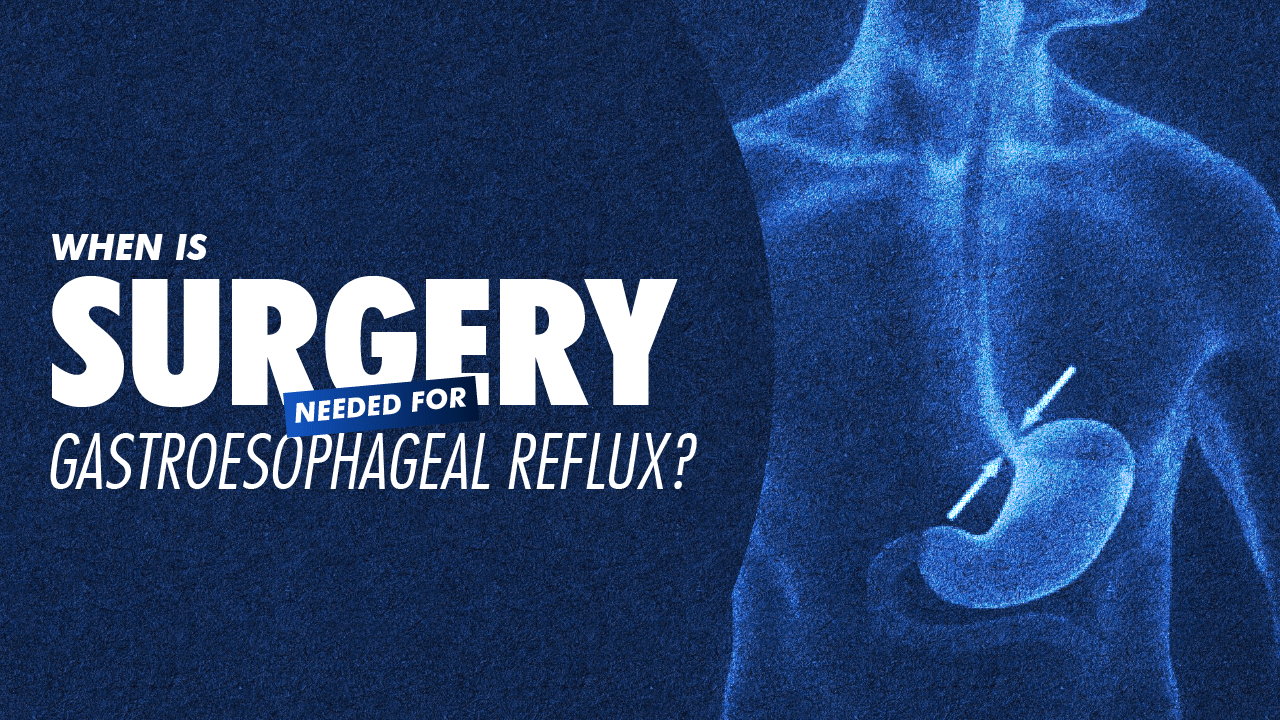
If you’ve reached the point where medications no longer adequately control your GERD — or you simply don’t want to be on PPIs for the rest of your life — Nissen fundoplication is likely the surgery your doctor has mentioned. It’s the gold standard for anti-reflux surgery worldwide, with a track record spanning over 60 years. This guide explains everything you need to know: what the surgery does, who’s a candidate, what recovery looks like, success rates, and how to access top-tier care affordably in Guadalajara, Mexico.
What is Nissen fundoplication?
Nissen fundoplication is a surgical procedure that wraps the upper portion of the stomach (fundus) 360° around the lower esophagus, creating a new, reinforced one-way valve. This
restores function to the lower esophageal sphincter (LES) — the muscle gate that’s supposed to prevent stomach contents from going up. The surgery typically also includes: - Repair of hiatal hernia if present. - Tightening of the diaphragm opening (hiatus). - Restoration of normal anatomy of the esophagogastric junction.
How it’s performed
Laparoscopic technique (standard today)
- 5 small incisions (5-12 mm each) in the upper abdomen.
- Surgery takes 90-150 minutes under general anesthesia.
- Hospital stay: 1-2 nights.
- Recovery: 2-3 weeks to most activities.
Robotic technique
Similar to laparoscopic but with robotic-assisted instruments. Used in selected complex cases.
Open technique
Rarely performed today; reserved for cases with extensive prior surgery.
Variations: Nissen vs. partial wraps
Nissen fundoplication (360° wrap)
- Most effective acid control.
- Standard for most patients with normal motility.
- Slight risk of swallowing difficulty.
Toupet fundoplication (270° partial wrap)
- Less restrictive.
- Better for patients with weak esophageal motility.
- Slightly less acid control but easier swallowing.
Dor fundoplication (180° anterior wrap)
- Used with achalasia surgery.
- Even less restrictive.
Your surgeon will recommend the right variant based on your specific anatomy and esophageal function.
Who’s a candidate?
Ideal candidates have:
- GERD diagnosed by endoscopy or pH study.
- Symptoms despite adequate medication.
- Regurgitation as a major symptom (PPIs don’t fix this well).
- Large hiatal hernia.
- Desire to stop or reduce medications.
- Adequate esophageal motility (manometry-proven).
- Age and general health permit surgery.
- No serious eating disorders.
Who’s NOT a candidate?
Surgery is usually deferred for:
- Mild GERD well-controlled with lifestyle and medication.
- Severe esophageal motility disorders (e.g., scleroderma esophagus).
- Active eating disorders.
- Very high surgical risk patients.
- Unrealistic expectations.
- Functional heartburn (not true acid reflux).
Pre-operative evaluation
Before surgery, a thorough workup ensures success:
1. Upper endoscopy (EGD): examines esophagus and stomach, biopsies if needed. 2. 24-hour pH monitoring: quantifies acid exposure. 3. Esophageal manometry: measures muscle function — critical for choosing the right wrap. 4. Barium swallow: assesses anatomy. 5. Gastric emptying study: if delayed emptying suspected. 6. Standard pre-op labs and EKG. This complete workup typically takes: - U.S.: 4-8 weeks across multiple visits, costing $5,000- $10,000+. - Guadalajara: 3-5 days as outpatient, costing $1,500-$3,000.
The surgery: step by step
Day before surgery
- Clear liquid diet.
- No food after midnight.
- Specific medication instructions from surgeon.
Day of surgery
- Arrive 2 hours before procedure.
- IV started, anesthesia consultation.
- General anesthesia administered.
During surgery (90-150 minutes)
- Five small incisions made.
- Abdomen inflated with CO₂ gas.
- Stomach freed from surrounding tissue.
- Hiatal hernia repaired (if present).
- Diaphragm opening tightened.
- Top of stomach wrapped around esophagus.
- Wrap secured with sutures.
- Instruments removed; incisions closed.
Recovery room
- 1-2 hours monitored awakening.
- Pain control initiated.
- Transfer to hospital room.
Hospital stay (1-2 days)
- IV fluids and pain medication initially.
- Clear liquids first, advancing as tolerated.
- Walking encouraged within hours.
- Discharge when tolerating liquids and pain controlled.
Day-by-day recovery timeline
Days 1-2: Hospital
- Liquid diet only.
- Walking encouraged.
- Pain medication.
Days 3-7: First week home
- Continue liquid/very soft diet.
- Limited activity.
- Pain decreases gradually.
- Walking longer distances.
- Cannot lift more than 10 lbs.
Week 2: Soft diet
- Add purees, mashed foods.
- Yogurt, soft eggs, soup, well-cooked vegetables.
- Avoid bread, raw vegetables, tough meats.
- Some return to light activity.
Weeks 3-4: Soft and slow
- Gradually advance to more solid foods.
- Chew very thoroughly.
- Small portions.
- Return to most normal activities.
Weeks 5-6: Near normal
- Most foods can be tolerated.
- Some may still need to avoid certain textures.
- Return to exercise.
- Most patients back to normal life.
Months 3-6: Final adjustment
- Final diet tolerance established.
- Some patients have lifelong minor adjustments (smaller bites, more chewing).
Pain management
| Day | Typical pain (1-10) |
|---|---|
| Day 0-1 | 5-7 (controlled with IV medication) |
| Day 2-3 | 3-5 |
| Days 4-7 | 2-3 |
| Week 2 | 1-2 |
| Week 3+ | 0-1 |
Most pain is from incisions, not the internal surgery. Some patients report shoulder pain from CO₂ irritating the diaphragm — typically resolves in 2-3 days.
Diet progression after surgery
Week 1: Full liquids
- Broth, milk, smoothies, yogurt drinks.
- Protein shakes.
- Cream soups.
- Avoid carbonation.
Week 2: Pureed/soft
- Mashed potatoes.
- Pureed soups.
- Scrambled eggs.
- Cottage cheese.
- Pudding.
- Banana, applesauce.
Weeks 3-4: Soft solids
- Well-cooked fish.
- Tender chicken.
- Cooked vegetables.
- Soft fruits.
- Pasta.
Weeks 5-6: Advance gradually
- Most foods well-cooked.
- Avoid bread initially.
- Avoid raw vegetables initially.
After 6 weeks: Normal diet
- Eat slowly.
- Chew thoroughly.
- Small portions.
- Listen to your body.
Foods to avoid permanently or limit
- Carbonated drinks (cause bloating).
- Tough or stringy meats (can stick).
- Bread in large quantities initially.
- Large bites of anything.
Success rates and outcomes
Long-term data on Nissen fundoplication is excellent:
- 85-90% of patients report excellent symptom relief at 5 years.
- 70-80% maintain results at 10 years.
- Most patients stop PPIs entirely.
- Quality of life dramatically improved for severe GERD patients.
- Reduces risk of GERD-related esophageal complications.
Risks and complications
Like any surgery, there are risks:
Common side effects (usually temporary)
- Gas bloat syndrome: difficulty burping, increased flatulence (improves over months).
- Difficulty swallowing: mild initially, usually resolves in weeks.
- Early satiety: feeling full quickly (lessens over time).
- Shoulder pain: from CO₂ (resolves quickly).
Less common
- Wrap loosening (5-10%).
- Recurrent reflux (10-15% at 10 years).
- Need for revision surgery (5%).
- Persistent swallowing problems (rare).
Serious but rare
- Bleeding.
- Infection.
- Injury to esophagus or stomach.
- Pneumothorax (lung air leak).
- Conversion to open surgery (under 2%).
Why Guadalajara for Nissen fundoplication
- Item — U.S. — Guadalajara
- Surgery (all-inclusive) — $25,000 - $50,000 — $7,500 - $12,500 USD
- Pre-op workup — $5,000 - $10,000 — $1,500 - $3,000 USD
- Hospital stay quality — Excellent — Excellent (JCI hospitals)
- Surgeon training — U.S. board-certified — Often U.S./Europe
- trained
- Wait time — 2-6 months — 1-2 weeks
Medical tourism timeline
- Days 1-3: Arrival, consultation, pre-op workup.
- Day 4-5: Surgery, hospital stay.
- Days 6-10: Recovery at hotel, post-op visit.
- Day 10-12: Return home.
Total trip: 10-14 days.
About 85-90% of patients stop PPIs entirely. Some may need occasional H2 blockers for
breakthrough symptoms.
Can I burp after surgery?
Yes. Modern technique preserves the ability to belch, though it may take 2-3 months to fully return.
Can I vomit after surgery?
Yes, though it’s not comfortable. Most surgeons preserve this function.
Will I still have heartburn occasionally?
About 10-15% may have some symptoms long-term. Most are well-controlled with occasional medication.
Is the surgery reversible?
Yes, but rarely needed. Modern technique has high success rates.
Can I have the surgery if I had previous abdominal surgery?
Usually yes. Even prior cholecystectomy or hernia repair doesn’t typically prevent
fundoplication.
What if I gain weight after surgery?
Surgery effectiveness doesn’t depend on weight. However, significant weight gain can stress the repair over time.
Can I drink alcohol again?
Yes, in moderation, after recovery. Many patients find their alcohol tolerance is unchanged.
How long should I stay in Mexico after surgery?
Plan for 10-14 days total to include workup, surgery, recovery, and follow-up.
Will my U.S. doctor know how to manage me after surgery?
Yes. Nissen fundoplication is the standard worldwide, and your records (in English) will be readily understood.
What if I have complications back home?
Reputable surgeons provide written follow-up plans and remain available for telehealth consultation. Most issues are manageable at home.
Is this surgery worth the trip?
For severe GERD or those wanting to escape lifelong medication, yes. For mild GERD well- controlled with medication, lifestyle changes may be enough.
Final thoughts
Nissen fundoplication is one of the most studied and successful surgeries in modern medicine. After 60+ years of refinement, it remains the definitive solution for moderate to severe GERD when medications aren’t enough. If you’re suffering from chronic reflux, having quality-of-life impact, or worried about decades of medication dependence, this surgery can be life-changing. Modern laparoscopic technique allows fast recovery and excellent long-term outcomes. For international patients, Guadalajara offers world-class care at a fraction of U.S. prices — making this transformative surgery accessible to people who otherwise couldn’t afford it.
Considering anti-reflux surgery? Get expert evaluation in Guadalajara. Dr. Gerardo
Rodríguez Navarro performs Nissen and partial fundoplications using modern laparoscopic technique, with comprehensive pre-op evaluation and bilingual care for international patients.
Frequently asked questions
¿Puedo dejar el omeprazol después de la cirugía?
Generalmente sí, en pocas semanas según evolución y bajo supervisión médica.
¿Cuándo regreso al trabajo?
Trabajo de oficina: 7-10 días. Trabajo físico: 4-6 semanas.
¿Qué tan duradero es el resultado?
La mayoría tiene buen control 10+ años. Algunos pueden necesitar ajustes.
¿Hay edad límite para operarse?
No hay edad fija, depende del estado general de salud.
Related articles
Early Symptoms of Acute Appendicitis: When to Seek Emergency Care
Acute appendicitis is one of the most common surgical emergencies worldwide, affecting roughly 1 in 20 people during their lifetime.
Read ApendicitisLaparoscopic Appendectomy Recovery: Day-by-Day Timeline
Modern laparoscopic appendectomy has transformed what was once a major operation into a procedure with remarkably fast recovery.
Read ApendicitisHow Much Does Appendix Surgery Cost in Guadalajara, Mexico? (2026
If you’re researching appendix surgery costs — whether because you’re uninsured, underinsured, or simply comparing options — you’ve likely noticed massive price differences between countries.
Read